
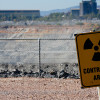
The Australian government took the reins of the G20 on 1 December. In its vision it acknowledges that corruption is bad for business, but Australian business doesn’t seem to think the same, having dropped it from its top priorities for 2014. We think this is a mistake. “Corruption is a severe impediment to sustainable economic […]
Tag Archives | Global Corruption Barometer





Knowledge empowers: A Palestinian’s quest for transparency
You have the right to know! You have the right to ask questions and for public officials to answer your enquiry. Unfortunately, Palestine till now does not have an access to information law. This blog post is part of a series drawing on articles from the forthcoming project It Belongs to You: Public Information in […]
Moroccan whistleblowers: The public’s conscience
For most of us, changing corrupt dealings we experience every day remains insurmountable. We are often afraid what will happen to us if we do report corruption. Those who do come forward often bear great personal risks. That is why the UN Convention against Corruption, which our kingdom has ratified, affords whistleblowers a special status […]
It’s time to get moving and act against corruption!
Transparency International Hungary will again be present at this year’s Sziget Festival – the biggest music festival in Hungary and one of the biggest in Europe. As part of our chapter’s “It’s time to get moving” campaign, dance flashmobs will be present throughout the festival, culminating in a gigantic dance event on 9 August at […]
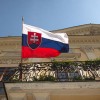
Abuse of state advertising for political ends in Slovakia
Historically, journalists have been some of the strongest partners in the fight against corruption. Their investigative work as well as the space they give to voices of anti-corruption NGOs has contributed to greater pressure on government leaders to tighten regulations and take a public stand for more transparency and accountability. But in this difficult economic […]
Police corruption: Would you confront your local law enforcer?
Corruption in the police force is the top corruption issue for citizens in many countries across the world. In 31 of the 100 countries covered by our global survey, people told us the police are the most corrupt institution in their country. Read the personal experience of TI staff who have faced the dilemmas of […]
Bribery is bad for business
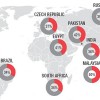
We ask businesspeople where they lose out to competitors’ corruption. One of the biggest corruption stories in the world this year was the allegation that Walmart paid bribes totalling US$24 million in its Mexican operations. It makes you wonder how many other companies lost out because of those bribes. A new survey gives us some […]
Human Rights Day and the link to anti-corruption
Human Rights Day 10 December follows closely on the heels of Anti-Corruption Day, 9 December, which is not just a coincidence. They stand together because human rights are far more likely to be safeguarded in a world where there is no corruption. Andrea Figari, programme manager for Advocacy & Protection of Anti-corruption Advocates at Transparency […]
Your country, your say
We asked more than 91,500 people around the world about their perceptions and experiences of corruption. You’ve seen the results, now we would like to hear from you. Have you paid a bribe? Do you think corruption in your country is increasing? Use this page to let us know. In our latest survey, we asked […]
- State Capture in South Africa
-
 What’s next for Ukraine?
-
 Cleaning up sport: conflicts of interest at the top
-
 OGP: France must do more to tackle corruption
-
 Pharma companies in Slovakia: Uncovering conflicts of interest
-
Nokubonga Ndima: Young people can make a change for a better future...
-
Benjamin M: Very good article! Congrats!...
-
arun kottur: In India sports minister was involved decades are ...
-
Ekonomi: Very beneficial article. Thank you very much. htt...
-
ksweeney1: I do not agree that https://apex.aero/2016/09/22/g...
 Connect with us on Facebook
 Follow us on Twitter
 Add us to your circle on Google +